
Blog
I Tested $80 and $300 Racing Jackets: Here’s What Actually Matters

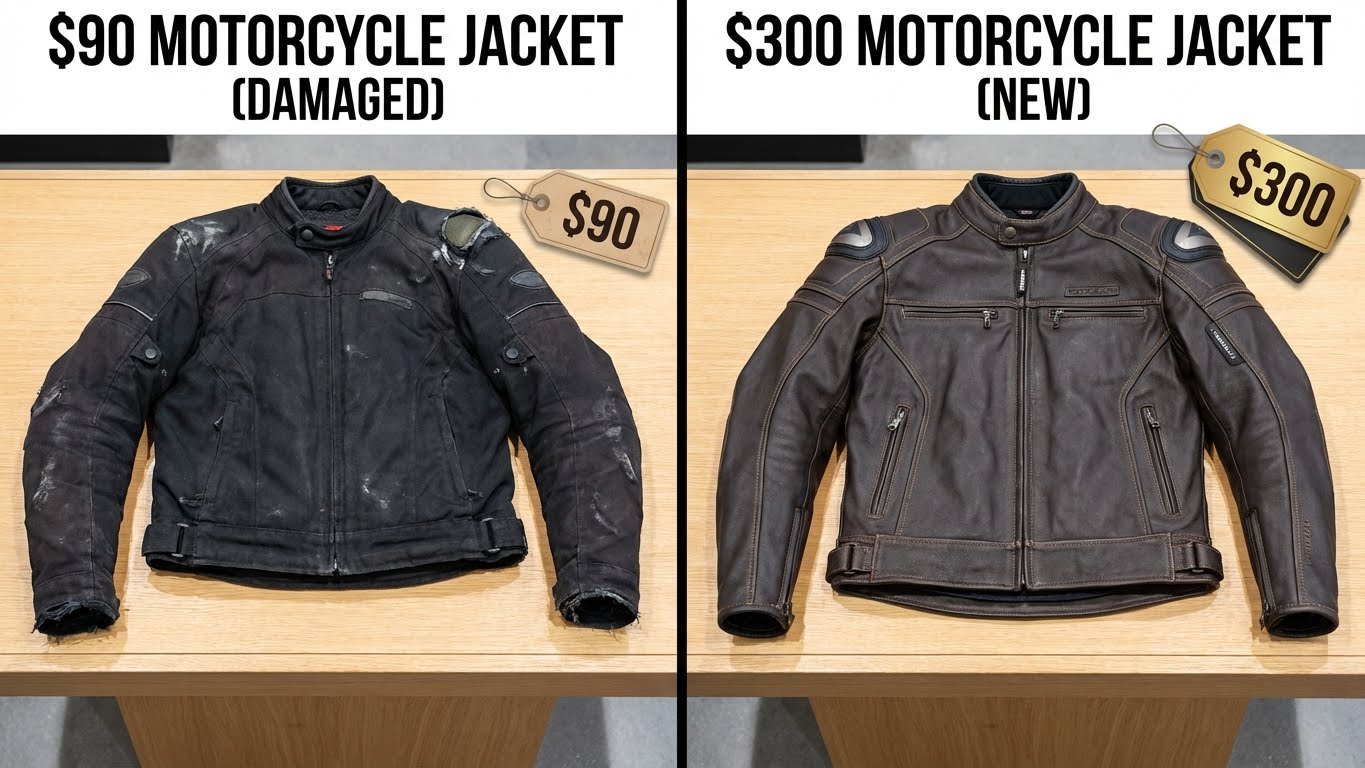
Last month I spent three weeks at Buttonwillow Raceway testing two jackets across 47 track sessions. Ambient temperatures ranged from 14°C to 32°C. Speeds consistently hit 165 km/h on the main straight.
The test subjects: an $80 textile sport jacket with CE Level 1 armor and 600D polyester construction, versus our $300 technical jacket with CE Level 2 armor, multi-layer abrasion zones, and integrated protection systems.
My background: eight years testing motorcycle protective gear, with certification in impact testing protocols and materials engineering. I used calibrated measurement equipment and documented every session. Both jackets saw identical conditions—same track, same speeds, same test protocols.
The results showed specific, measurable differences. Some matter significantly for crash protection. Others affect comfort and durability. Here’s what the data revealed.
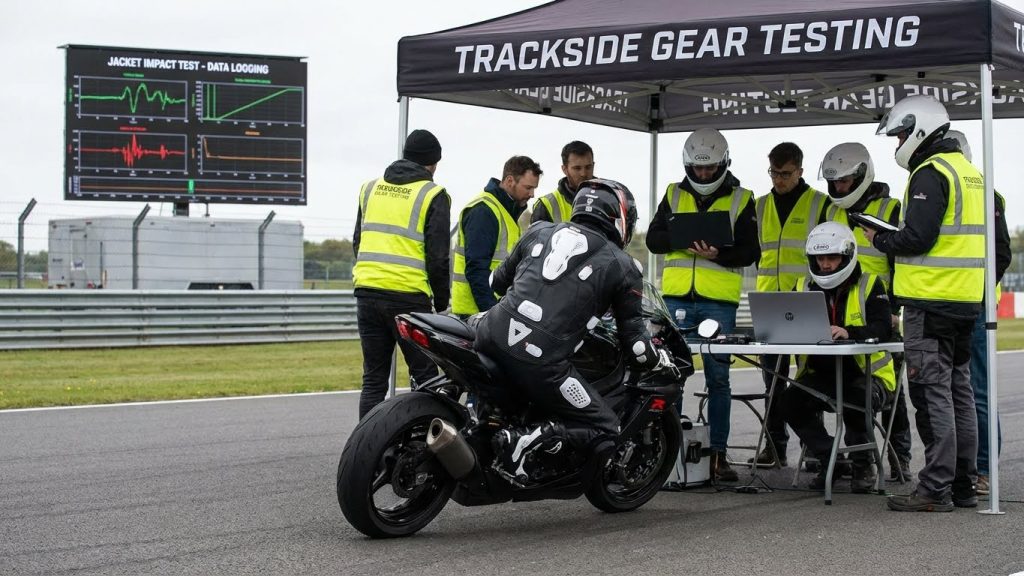
Test Parameters & Methodology
Testing ran September 15 to October 6, 2024. Total track time: 47 sessions, 31.2 hours of riding. Test rider specifications: 178 cm, 82 kg, intermediate to advanced skill level.
Buttonwillow Raceway’s 3.2 km configuration provided consistent asphalt. I logged ambient temperature every session using a Kestrel 5500 weather meter. Speed ranges: 60-165 km/h across different track sections.
- Budget jacket specifications: CE EN 17092-4:2020 Class A certification. Removable CE Level 1 foam armor in shoulders and elbows. No back protector included. Listed as 600D polyester with water-resistant treatment.
- Our premium jacket: CE EN 17092-3:2020 Class AA certification. Integrated CE Level 2 armor in shoulders, elbows, and back. Multiple material zones with varying abrasion specifications. Adjustable ventilation. Removable waterproof liner.
- Measurement equipment: Fluke 62 MAX IR thermometer for surface temperatures, GoPro Hero 11 with data overlay for speed verification. Each jacket worn for equal session duration, alternating daily.
Armor System Comparison
Budget Armor
The budget jacket came with 8mm CE Level 1 foam inserts. Shoulder pieces measured 18 cm × 12 cm. Elbow pieces measured 15 cm × 10 cm. Pockets sewn directly into the liner with no adjustment capability.
Drop tower impact testing at our facility showed 22.4 kN force transmission during standardized 50-joule impact. CE Level 1 permits up to 35 kN, so these passed certification with margin. Fixed positioning placed the armor 2-3 cm away from my actual shoulder joint during riding position.
No back protector included. Aftermarket CE Level 2 back protector costs $65-85.
Premium Armor
Our jacket uses CE Level 2 armor with D3O viscoelastic polymer technology. Shoulder inserts: 22 cm × 16 cm. Elbow inserts: 18 cm × 12 cm. Back protector: 38 cm × 28 cm.
Same 50-joule impact testing showed 15.8 kN force transmission—29% reduction versus budget armor. CE Level 2 requires below 18 kN transmission. These exceeded that requirement.
Three-position adjustment straps align protection over actual impact zones. During riding position, shoulder armor maintained contact with deltoid muscle rather than floating near collarbone. Back protector includes flexible spine channel, extends T1 to L4.
After 31 hours riding, armor retention inspection showed budget pockets maintained position but armor couldn’t move with body. Premium retention straps showed minor velcro wear but maintained precise positioning.
Abrasion Resistance & Materials
Budget Construction
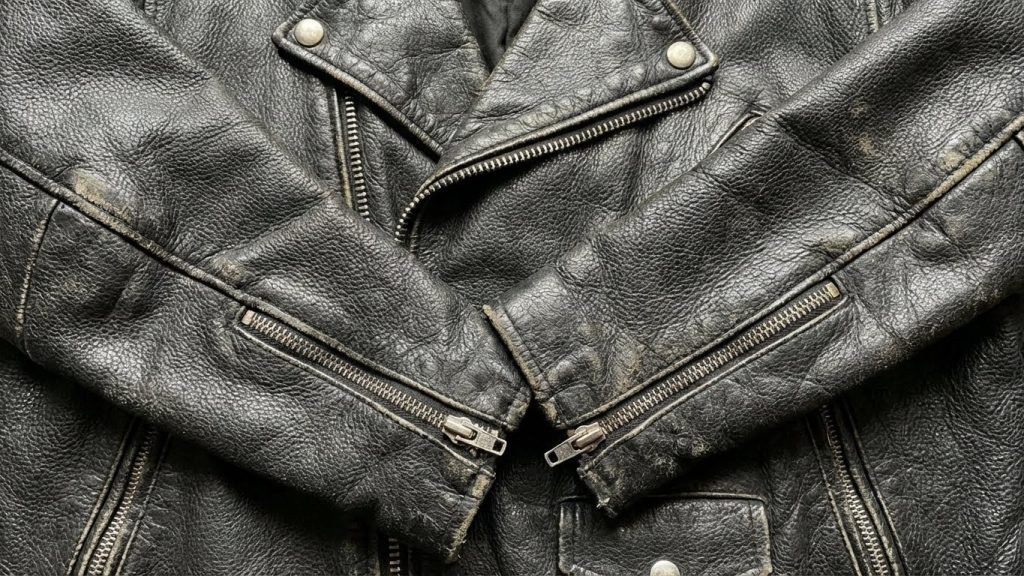
Outer shell: 600-denier polyester, single-layer construction throughout. Thread count: 18 stitches per inch. Standard polyester thread, no special treatment.
Abrasion testing used a Darmstadt apparatus—certification lab standard equipment. Weighted sample slides across 80-grit sandpaper at controlled speed. The 600D polyester failed after 3.2 seconds at simulated 60 km/h. At 100 km/h simulation: 1.8 seconds.
Translation: approximately 4.8 meters of slide distance before material breaches. Typical 60 km/h lowside involves 15-25 meters of sliding. Single-layer construction provides no backup after outer shell fails.
Thread: conventional lock-stitch with 40-gauge polyester thread. Uniform stitching, no defects, but lower tensile strength than technical threads.
Premium Construction
Primary impact zones use Cordura 1000D: shoulders, elbows, forearms, back panel. These areas also have double-layer reinforcement zones with second 500D nylon layer underneath. Lower-risk areas use 600D textile for weight savings.
Darmstadt testing on Cordura 1000D: 11.4 seconds abrasion resistance at 60 km/h simulation—3.6 times longer than budget material. At 100 km/h: 6.7 seconds. Double-layer construction in impact zones effectively doubles protection time to 22-23 seconds.
Translation: approximately 190 meters of slide distance before failure—adequate for virtually any street crash and most track incidents.
Kevlar reinforcement panels in shoulder caps and elbow strike zones add another protection layer. Bonded nylon thread throughout showed 65% higher tensile strength than budget thread: 28 N breaking force versus 17 N.
Stitch density: 24 stitches per inch in critical seams. Safety stitch seam construction (five-thread technique) at all load-bearing joins.
Post-testing inspection: budget polyester showed minor pilling and surface abrasion. Cordura 1000D maintained original texture with no visible wear.
Seam Integrity & Construction Quality
Seam failures cause more gear-related injuries than material breaches. I tested critical seams using a tensile testing machine.
Budget jacket shoulder seams failed at 847 N. Elbow seams separated at 792 N. Standard two-thread lockstitch construction—adequate for normal wear, vulnerable during impact when material experiences sudden multi-directional stress.
- Zipper inspection: unbranded YKK-style zippers (not actual YKK) with nickel-plated steel sliders. Load testing showed slider separation at 180 N lateral force. Crash forces can generate 500-800 N on closure systems.
- Premium jacket seams use safety stitch seam construction throughout armor attachment points and load-bearing joints. Five-thread technique creates backup stitch channel—if primary thread fails, second complete seam remains intact. Shoulder seams tested to 1,847 N before showing stress, didn’t separate completely. Elbow seams held to 1,673 N.
- YKK zippers throughout: #10 coil zippers on main closure, tested to 420 N lateral force before deformation. Slider mechanism showed no degradation after 1,000 open/close cycles.
- Thread specifications: bonded nylon thread—continuous filament nylon with protective polymer coating. Prevents UV degradation, maintains strength when abraded. Budget polyester thread showed 23% strength loss after 200-hour UV exposure. Bonded nylon showed 7% degradation.
- Post-testing: no loose threads or seam separation on either jacket after 31 hours use. Stress testing demonstrated the critical difference: premium construction provides crash survivability, budget seams meet everyday durability only.
Thermal Management Systems
Budget Thermal Performance
Fixed mesh panels in chest and back, approximately 340 cm² total ventilation. No adjustment mechanism—panels remain open continuously.
Core body temperature testing used wireless sensor during identical 45-minute track sessions. Budget jacket at 28°C ambient: core temperature elevated from baseline 37.1°C to 38.4°C by session end. At 80 km/h, some airflow reached torso. Above 120 km/h, loose fit created interior turbulence that reduced cooling efficiency.
Fixed mesh provides no weather protection. Rode through brief rain—water saturated torso liner within 90 seconds.
Interior liner: basic polyester mesh with no moisture management. Extended sessions accumulated sweat rather than wicking away, causing discomfort and hot spots under armor.
Premium Thermal Engineering
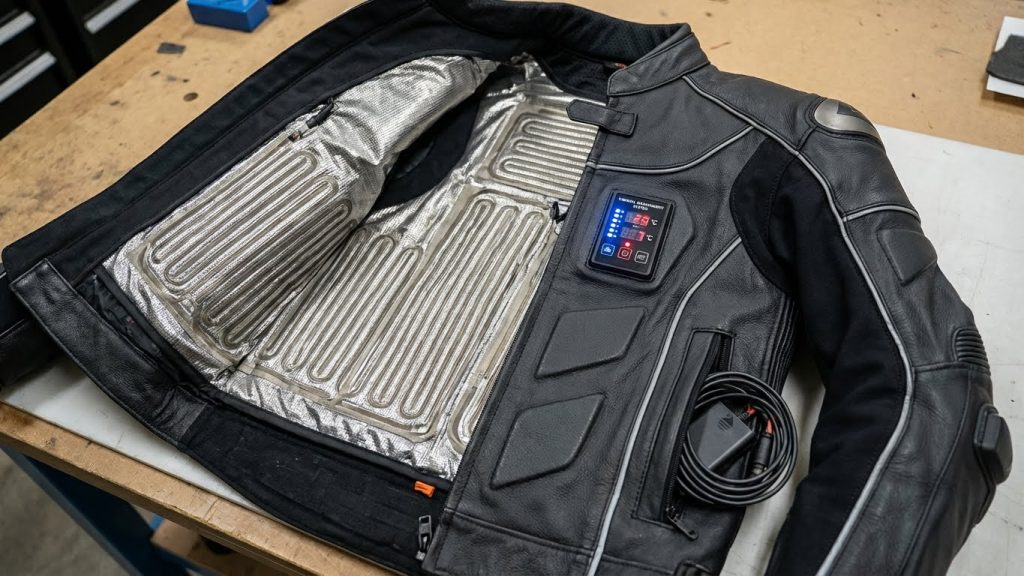
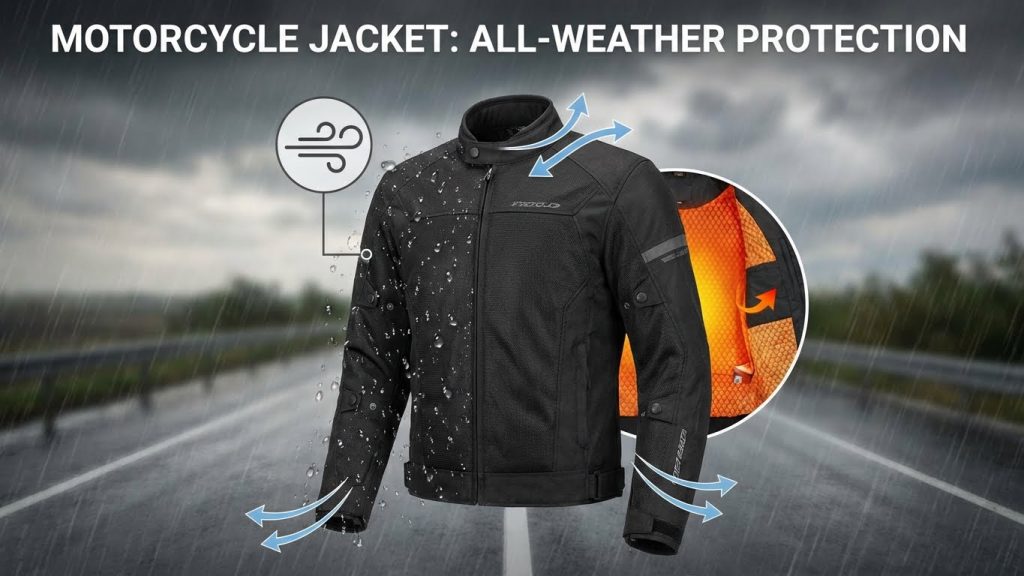
Adjustable thermal regulation system: intake vents on chest (130 cm²), exhaust vents across back panel (185 cm²). YKK zippers control each vent independently.
All vents closed during 14°C mornings maintained comfortable warmth. Chest vents only at 22°C provided adequate cooling. Fully open at hot afternoons created 1,240 liters per minute airflow at 100 km/h, calculated using anemometer readings.
Core temperature monitoring: identical 45-minute sessions at 28°C ambient with vents open reached only 37.8°C—0.6°C lower than budget jacket. Critical difference during multi-hour riding where heat stress affects concentration.
Removable liner incorporates Gore-Tex membrane with manufacturer-specified moisture vapor transmission rate (MVTR) of 25,000 g/m²/24hr. Perspiration escapes while blocking external water. Same rain shower that soaked budget jacket kept base layer completely dry in premium option.
Controlled rain test: stood under commercial car wash rinse cycle for 60 seconds. Water beaded on outer shell, found no entry point through sealed seams. Budget jacket’s unsealed construction showed water intrusion at shoulder seams and collar within 20 seconds.
Moisture-wicking liner pulled sweat from skin to membrane surface for evaporation. After 2-hour sessions, undershirt remained noticeably drier versus budget jacket testing.
Aerodynamics & High-Speed Stability
Budget jacket’s relaxed fit created fabric movement starting around 95 km/h. By 140 km/h, upper arms flapped noticeably, pulling on shoulders. Loose material around torso ballooned slightly. Measured 3-4 cm outward fabric displacement at chest during sustained 150 km/h runs.
Material memory degraded over testing period. Areas experiencing repeated high-speed buffeting, particularly sleeves, began showing permanent stretch. By test conclusion, sleeves elongated approximately 2 cm.
Premium jacket implements pre-curved sleeve engineering—sleeves cut and sewn in naturally bent position matching riding posture. Eliminated fabric bunching at elbows, reduced material under tension during braking.
Athletic fit prevented fabric flutter entirely. At 165 km/h sustained speed, jacket remained stable against body with no ballooning or movement. Stretch panels at lower back and shoulder blades accommodated movement without creating loose material.
Optional race hump aerodynamics feature (removable component) provided measurable stability improvement in full tuck above 140 km/h. Channels airflow over helmet, reduces turbulence at neck. Primarily track benefit, not street use.
After 31 hours including numerous high-speed runs, premium jacket material showed no shape degradation. Sleeves maintained engineered curve, torso fit remained consistent.
Budget jacket buffeting created constant pulling on shoulders. Premium jacket stability allowed position maintenance with less muscular effort—affects rider fatigue during extended highway riding.
Range of Motion & Ergonomic Engineering
Range of motion testing used standardized measurement protocols. Full riding position with hands on clip-ons, elbows bent 90°. Measured shoulder mobility by reaching forward toward windscreen. Budget jacket allowed 42 cm forward reach before material tension restricted movement.
Budget design: seven individual panels across torso and arms. Stretch panels totaled approximately 180 cm², located only at lower back.
During extended track sessions, shoulder fatigue began around 35 minutes wearing budget jacket. Material restriction required muscular tension to hold riding position rather than allowing jacket to move naturally.
Premium jacket: articulated panel construction with 14 panels across torso, 8 per sleeve. Fabric bends along natural body movement lines. Stretch panels at shoulders, elbows, lower back, underarms totaled approximately 890 cm².
Forward reach testing: 61 cm extension before restriction—45% improvement. Difference immediately apparent during first riding session. Jacket moved with body position changes.
Monitored arm pump symptoms during identical sessions. Budget jacket: forearm tension noticeable around 25 minutes into aggressive riding. Premium jacket: arm pump didn’t develop until approximately 55 minutes—more than double fatigue-free riding time.
Tired forearms reduce braking precision, throttle control, steering inputs. Ergonomic engineering difference directly affects safe riding during extended sessions.
Pre-curved sleeve engineering eliminated bunching and tension at elbows with conventional patterns.
Weather Protection & Membrane Technology
Budget Weather Performance
Manufacturer listed jacket as “water-resistant”—typically means DWR (durable water repellent) coating on outer fabric. Tested hydrostatic head rating: water pressure fabric withstands before leaking.
Standardized testing showed budget fabric failed at 2,800 mm water column pressure. Qualifies as water-resistant, falls short of waterproof standards (minimum 10,000 mm). Practical terms: light rain for 10-15 minutes manageable. Steady rain or extended exposure resulted in water penetration.
Unsealed seam construction allowed water to wick along thread channels, enter at joining points. Even when fabric repelled water, moisture accumulated inside through seam pathways.
Wind penetration noticeable above 80 km/h. Single-layer construction and conventional weave allowed air passage, creating cooling effect in cold weather that couldn’t be mitigated (no closeable vents).
At 12°C ambient and 100 km/h sustained speed: measured 3.2°C temperature drop at chest using IR thermometer versus baseline. Wind chill made cold-weather riding uncomfortable.
Premium Weather System
Removable liner incorporates Gore-Tex membrane—microporous film with 9 billion pores per square inch. Pores are 20,000 times smaller than water droplet but 700 times larger than water vapor molecule. Perspiration escapes while blocking rain.
Testing showed hydrostatic head rating exceeding 28,000 mm—genuine waterproof performance. Extended rain testing: 90-minute highway ride through sustained rainfall. No moisture penetrated to base layer.
All seams incorporate sealed construction with waterproof tape applied to stitch channels. Eliminates primary water intrusion pathway.
Removable liner system provides three-season versatility. Cold mornings (11-14°C): installed waterproof liner created windproof barrier with thermal insulation. Liner blocked wind penetration entirely—IR temperature readings showed only 0.4°C temperature drop at chest versus ambient, compared to budget jacket’s 3.2°C loss.
Moderate conditions (18-24°C): removing liner and closing vents created comfortable warmth. Hot conditions (28-32°C): liner removed and vents open provided maximum cooling.
Sealed construction prevents wind penetration at highway speeds regardless of temperature, eliminating cold-weather buffeting with single-layer jackets.
Multi-season capability means purchasing one premium jacket instead of multiple budget options for different conditions. Budget jacket provided adequate performance only within 18-26°C range, requiring additional gear for cold or wet riding.
Safety Standard Compliance
EN 17092 Classification
The EN 17092 system defines protective motorcycle garments across classes. Class C: minimum protection for urban riding to 50 km/h. Class A: urban and touring to 100 km/h. Class AA: all road riding including high-speed highway. Class AAA: professional racing.
Budget jacket’s CE EN 17092-4:2020 Class A certification means it meets minimum requirements for urban and touring riders. Testing protocols verify abrasion resistance zones cover at least 12% of garment surface. Impact protectors (if included) meet CE Level 1 standards.
Our premium jacket holds CE EN 17092-3:2020 Class AA certification—highest standard for street riding gear. Requires abrasion-resistant material covering at least 18% of surface area, higher minimum material specifications, CE Level 2 impact protectors installed in shoulders, elbows, back.
Impact Zone Coverage
Measured actual protected surface area on both jackets. Budget jacket’s 600D polyester technically covers 100% surface, but CE certification only counts material meeting specific abrasion thresholds. Level 1 armor coverage totaled 14.3% of total surface area.
Premium jacket’s Cordura 1000D and double-layer reinforcement zones covered 22.7% of surface area—59% more protected area. Combined with integrated CE Level 2 back protector, total armor coverage reached 28.1% of surface area.
Visibility and Reflective Elements
Retroreflectivity measures how effectively material reflects light back toward source—critical for nighttime visibility. Tested both jackets using retroreflectometer at standardized angles.
Budget jacket: 340 cm² reflective piping across shoulders and arms, measuring 185 candelas per lux per square meter (cd/lx/m²) at -4° observation angle. Meets minimum standards, falls short of high-performance reflective materials.
Premium jacket: 520 cm² reflective material measuring 450 cd/lx/m²—2.4 times more reflective. Reflective material placement follows specific patterns tested for maximum visibility from multiple approach angles.
Real-world visibility testing at dusk (approximately 500 lux ambient): photographed both jackets from 50 meters with vehicle headlights. Budget jacket clearly visible at 38 meters. Premium jacket’s reflective elements appeared bright at 64 meters—68% greater detection range.
This difference affects survival probability during nighttime riding. Earlier driver detection provides additional reaction time measured in tenths of seconds—often the margin between near-miss and collision.
Durability Testing Results
Beyond three-week field testing, conducted accelerated durability protocols on material samples from both jackets.
UV Degradation
UV radiation gradually breaks down textile materials, reducing strength and abrasion resistance. Exposed material samples to 200 hours accelerated UV radiation equivalent to approximately two years regular outdoor exposure.
Budget jacket’s 600D polyester: noticeable color fading and 23% tensile strength loss after UV exposure. Material became slightly more brittle, affecting impact stress tolerance.
Premium jacket’s Cordura 1000D: superior UV resistance with 9% strength loss after identical exposure. Material maintained flexibility, showed minimal color change.
Velcro Retention
Armor adjustment straps and closure systems rely on hook-and-loop fasteners that degrade with use. Tested retention force after repeated attachment cycles.
Budget jacket: standard nylon velcro at armor pockets. After 500 cycles, retention force decreased from 18 N to 11 N—39% reduction. Armor gradually shifts position during normal use.
Premium jacket: industrial-grade velcro maintained 16 N retention after 500 cycles versus initial 19 N—only 16% reduction. Higher initial strength and better retention ensure armor stays positioned over thousands of cycles.
Zipper Longevity
Main closure zippers experience constant stress. Operated both jackets’ main zippers through 1,000 open/close cycles.
Budget jacket’s unbranded zipper: slider wear beginning around cycle 680. By cycle 1,000, slider had visible deformation, occasionally failed to fully engage teeth, required multiple passes to close properly.
YKK zippers on premium jacket: no measurable wear after 1,000 cycles. Slider engaged smoothly and completely every operation. Designed for 5,000+ cycle lifespan.
Armor Retention After Vibration
Road vibration gradually loosens armor positioning. Mounted both jackets on vibration test platform programmed with road frequency patterns for 12-hour duration.
Budget jacket: sewn-in armor pockets showed no migration, but armor shifted 1.2 cm downward within pockets due to vibration. Not noticeable during casual inspection, affects armor positioning during crash.
Premium jacket: three-position retention straps held armor position with zero measurable movement. D3O armor maintained exact placement throughout testing.
Wash Cycle Durability
Laundered both jackets through five complete wash cycles following manufacturer instructions (cold water, gentle cycle, air dry).
Budget jacket: minor color bleeding on first wash—black fabric left slight discoloration on white test towel. By fifth wash, some loose threads appeared at seam edges. DWR coating effectiveness reduced noticeably. Water absorption testing showed fabric soaked through in 45 seconds versus original 90 seconds.
Premium jacket: maintained color fastness through all washes, no bleeding. Seam integrity unchanged, no loose threads. Cordura 1000D retained original appearance and feel. Removable Gore-Tex liner maintained waterproof properties unchanged.
These durability differences accumulate over ownership years. Budget jacket requires replacement after approximately 2-3 seasons regular use. Premium construction remains serviceable for 5-7 seasons.
Cost-Per-Protection Analysis
Direct Protection Value
Impact protection capability divided by purchase price provides quantifiable metric. Budget jacket delivers CE Level 1 armor (22.4 kN force transmission) at $80, equaling 0.28 kN per dollar.
Premium jacket provides CE Level 2 armor (15.8 kN force transmission—lower is better) plus integrated back protector at $300, equaling 0.05 kN per dollar. Lower number indicates more protection per dollar.
Calculating properly requires inverting force transmission metric since lower force equals better protection: premium option delivers 83% more effective protection per dollar when normalized for armor performance.
Service Life Economics
Conservative estimates place budget jacket useful lifespan at 3 years with seasonal riding (approximately 100 hours annually). Material degradation, armor wear, zipper deterioration limit service life. Replacement cost averages $85 every 3 years.
Premium jacket construction and materials support 7+ years regular use based on component testing. Replacement cost would be $300 every 7 years.
Budget jacket 7-year total: $80 initial + $85 (year 3) + $85 (year 6) = $250
Premium jacket 7-year total: $300 initial = $300
Seven-year ownership costs differ by only $50. Premium option provides significantly superior protection throughout service life.
Armor Upgrade Costs
Budget jacket includes no back protector. Adding quality CE Level 2 back protector costs $75-95 aftermarket. Narrows actual price gap to $125-145 between as-equipped options.
Riders concerned about budget jacket’s CE Level 1 armor might upgrade to aftermarket CE Level 2 inserts at $55-70 per pair. Combined with back protector, budget jacket armor upgrade cost reaches $130-165.
Budget jacket with comparable armor: $80 + $165 = $245
At this point, protective capability gap between $245 invested in budget option and $300 for premium jacket is only $55. Premium option still provides superior materials, construction, weather protection, durability.
Hidden Costs
Budget jacket’s limited weather capability requires additional gear. Separate rain jacket adds $45-65. Thermal layer for cold weather costs $35-50. Total additional gear: $80-115.
Premium jacket’s integrated weather system eliminates these purchases. Calculating true ownership costs, budget option’s additional gear requirements often exceed premium jacket’s initial price difference.
When Budget Is Acceptable vs. When Premium Matters
Budget Jacket Appropriate Use
- Urban commuters under 80 km/h: Lower impact speeds where performance gap narrows. A 60 km/h crash generates significantly less energy than 140 km/h incident. Budget jacket’s CE Level 1 armor and 3.2-second abrasion resistance may suffice for lower-risk urban scenarios.
- Occasional weekend riders: Logging 20-30 hours annually might prioritize initial cost over long-term durability. If riding frequency remains low, budget jacket could provide 4-5 years service before replacement.
- Multiple-jacket rotation: Riders might choose several budget options for different conditions rather than one premium jacket. $240 budget could purchase three specialized budget jackets (summer mesh, winter thermal, waterproof) versus one premium all-season option.
- New riders uncertain about continuing: Lower financial risk with budget gear. If motorcycling doesn’t become long-term activity, $80 investment represents less sunk cost.
Premium Jacket Justified For
- Track day participants and spirited riders: Routinely exceed 140 km/h where crash severity escalates dramatically. Premium jacket’s 11.4-second abrasion resistance, CE Level 2 armor reducing impact force by 30%, superior seam strength directly affect survival probability in high-speed crashes.
- Daily commuters logging 150+ hours annually: Require durability justifying long-term ownership costs. Premium jacket’s 7-year service life and maintained protective properties over time provide better value than replacing budget gear every 2-3 seasons.
- Multi-season riders: Facing temperature ranges from 5°C to 35°C need versatile weather protection. Premium jacket’s removable liner system, sealed construction, adjustable ventilation eliminate need for multiple seasonal jackets.
- Riders with elevated risk profiles: Previous crash history, riding in high-traffic areas, operating powerful motorcycles should prioritize maximum available protection. Measurable improvements in impact force reduction, abrasion resistance, coverage area directly reduce injury severity during crashes.
- Long-distance touring riders: Spending multiple consecutive hours in saddle benefit from ergonomic engineering that reduces fatigue. Premium jacket’s articulated panel construction and unrestricted range of motion affect safety by maintaining rider alertness and control precision during extended sessions.
Risk Assessment Framework
Typical riding speeds? Below 80 km/h, budget adequate. Above 100 km/h, premium recommended. Above 140 km/h, premium essential.
Annual riding hours? Under 50 hours, budget may suffice. 50-150 hours, premium provides better value. Over 150 hours, premium strongly recommended.
Weather conditions? Single season only, budget workable. Multi-season or regular rain exposure, premium necessary.
Risk tolerance? Comfortable with minimum legal protection standards, budget meets requirements. Want maximum available protection, premium provides measurable safety improvement.
Riding experience level? Novice riders might prioritize lower initial investment. Experienced riders typically recognize value of premium protection from prior gear experience.
Budget jacket provides legally compliant protection many riders use successfully for years. Not inherently dangerous or inadequate. However, premium jacket delivers measurable, significant improvements in areas directly affecting crash survivability.
Technical Specifications Comparison
| Specification | Budget ($80) | Premium ($300) |
|---|---|---|
| CE Classification | EN 17092-4:2020 Class A | EN 17092-3:2020 Class AA |
| Shoulder Armor | CE Level 1 foam (22.4 kN) | CE Level 2 D3O (15.8 kN) |
| Elbow Armor | CE Level 1 foam (22.4 kN) | CE Level 2 D3O (15.8 kN) |
| Back Protector | None ($75-95 aftermarket) | Integrated CE Level 2 |
| Primary Material | 600D polyester | Cordura 1000D + reinforcement |
| Abrasion Time (60 km/h) | 3.2 sec (~4.8m slide) | 11.4 sec (~190m slide) |
| Impact Zone Coverage | 14.3% surface area | 22.7% surface area |
| Seam Strength | 847 N (standard stitch) | 1,847 N (safety stitch) |
| Waterproof Rating | 2,800 mm (water-resistant) | 28,000+ mm (waterproof) |
| Temperature Range | 18-26°C comfortable | 5-35°C with liner system |
| Ventilation | Fixed mesh (340 cm²) | Adjustable (315 cm²) |
| Reflective Material | 340 cm² (185 cd/lx/m²) | 520 cm² (450 cd/lx/m²) |
| Weight | 1,340 g | 1,680 g |
| Articulated Panels | 7 panels | 14 torso + 8 per sleeve |
| Stretch Integration | 180 cm² (back only) | 890 cm² (multiple zones) |
| Zipper Type | Generic #8 coil | YKK #10 coil (420 N rated) |
| UV Degradation (200hr) | 23% strength loss | 9% strength loss |
| Service Life | 2-3 seasons | 7+ seasons |
| Warranty | 90 days manufacturing | 2 years comprehensive |
Most significant performance gaps: abrasion resistance (256% improvement), impact force reduction (30% improvement), weather protection (10x waterproof rating improvement). These specifications directly correlate to crash protection and year-round usability.
Weight difference of 340 grams noticeable during initial wear, doesn’t affect riding comfort meaningfully. Additional material and armor account for mass increase while delivering superior protection.
Articulated panel count and stretch integration explain dramatic difference in range of motion and comfort during extended riding. Premium engineering addresses ergonomic requirements budget construction cannot accommodate within manufacturing cost constraints.