Blog
How Racing Jackets Boost Speed and Rider Control Beyond Safety


- Hero Introduction: More Than Just Protection
- The Science Behind Speed and Aerodynamics
- Control on the Track: Beyond Just Protection
- Racing Jacket vs Casual Motorcycle Jacket
- Leather vs Textile Racing Jackets
- One-Piece Suit vs Jacket and Pants Combo
- Must-Have Features for Speed and Performance
- Expert Buyer's Guide: Choosing Your Racing Jacket
- Professional Insights and Comparative Analysis
- Real-World Performance Benefits
- Advanced Features and Future Technology
- Conclusion: Transforming Your Riding Experience
- Frequently Asked Questions
Hero Introduction: More Than Just Protection
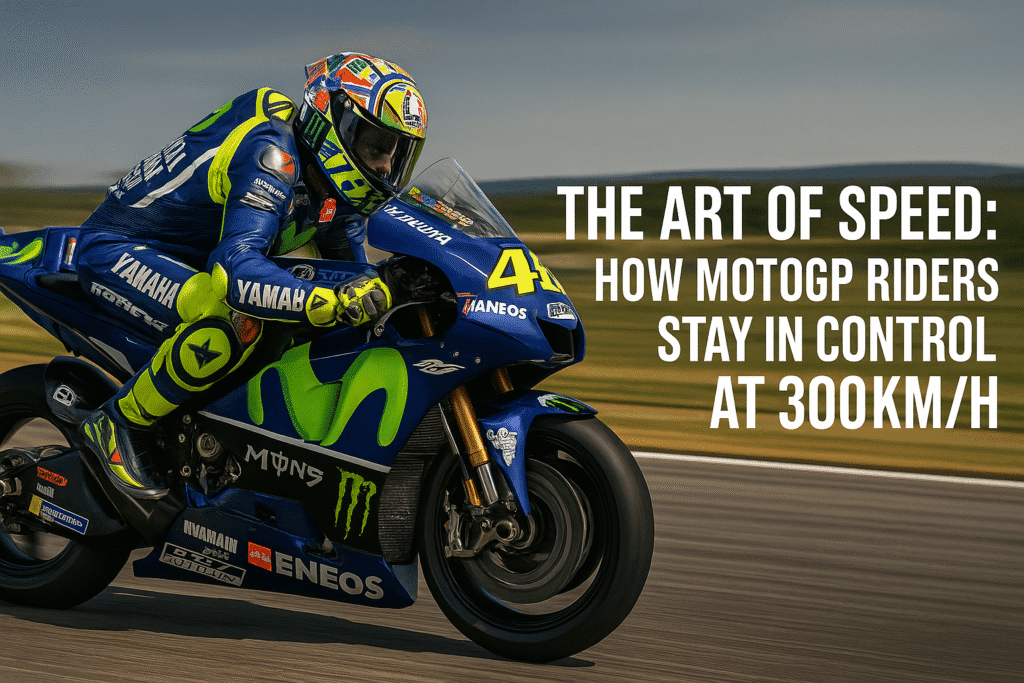
Picture Marc Márquez leaning into turn 3 at Circuit de Catalunya, his knee millimeters from the asphalt. What keeps him stable isn’t just skill—it’s the motorcycle racing jacket molded to his body like a second skin. Professional riders know a secret that many street riders overlook: racing gear doesn’t just protect, it actively enhances performance.
Statistics from MotoGP teams reveal that aerodynamic improvements from properly fitted racing suits can reduce lap times by up to 0.3 seconds per lap. For a sport where victories are decided by thousandths of a second, that MotoGP gear becomes as crucial as engine tuning.
The truth is, your racing jacket isn’t passive safety equipment—it’s an active performance tool that influences aerodynamics, stability, and control every time you ride. Let’s explore how this specialized gear transforms ordinary riders into more capable, confident athletes on track and street.
The Science Behind Speed and Aerodynamics
Understanding Wind Resistance in Racing
When you’re pushing 100+ mph on a motorcycle, physics becomes your biggest opponent. Wind resistance increases exponentially with speed, creating a wall of air that can destabilize even experienced riders. Professional racing teams spend thousands of hours in wind tunnels, perfecting jacket designs that slice through air rather than fighting it.
The aerodynamic hump found on racing jackets isn’t just aesthetic—it’s engineering genius. This feature redirects airflow over the rider’s back, reducing turbulence that would otherwise create drag reduction issues. MotoGP teams report that properly designed humps can improve airflow stability by up to 15% compared to standard motorcycle jackets.
The Role of Tight Fit in Performance
Rider ergonomics play a crucial part in aerodynamic efficiency. A racing jacket’s snug fit eliminates fabric flutter that creates drag and distraction. Unlike loose-fitting casual jackets, racing-specific designs conform to the rider’s body in a tucked position, maintaining smooth airflow from helmet to tailpiece.
Wind-tunnel testing reveals that even small gaps or loose fabric can increase drag coefficient significantly. Professional riders often have their racing jackets custom-tailored to achieve perfect aerodynamic profiles, treating their gear as precision instruments rather than simple clothing.
Control on the Track: Beyond Just Protection
Pre-Curved Design and Riding Posture
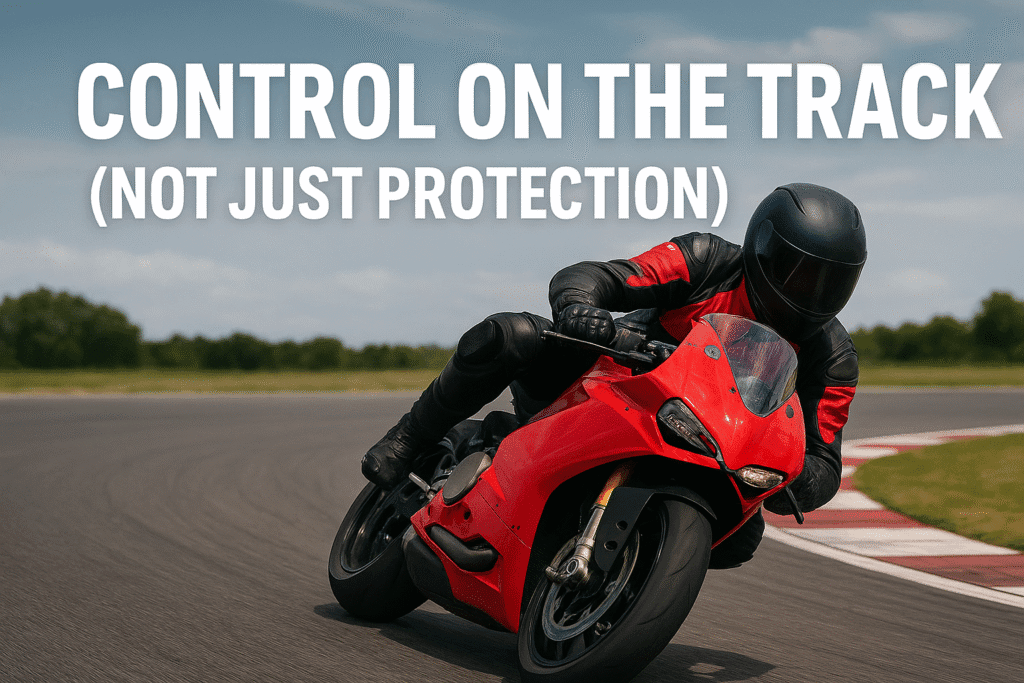
The difference between surviving a corner and mastering it often lies in cornering control. Racing jackets feature pre-curved sleeves that match the natural arm position when gripping handlebars. This design reduces fatigue and allows for more precise control inputs during extended track sessions.
Professional rider Casey Stoner once explained how his custom racing jacket’s arm positioning helped him maintain consistent lap times during grueling 45-minute MotoGP races. The jacket’s ergonomic design prevented the arm pump that could compromise his control in critical moments.
CE-Certified Armor and Stability
CE-certified armor does more than absorb impact—it adds structural stability to the rider’s core. Level 2 safety padding in shoulders and elbows creates a rigid framework that helps maintain consistent body position during aggressive cornering. This isn’t just about crash protection; it’s about maintaining rider stability when forces try to throw you off line.
Track instructors often notice that students wearing proper racing jackets demonstrate improved cornering confidence compared to those in casual gear. The armor’s support system allows riders to commit fully to lean angles they might otherwise fear.
Eliminating Distractions Through Proper Fit
Flapping fabric or shifting armor can break concentration at critical moments. Racing jackets eliminate these distractions through strategic design elements:
- Zipper and snap closures ensure the jacket stays positioned correctly
- Stretch panels maintain fit without restricting movement
- Impact protection technology stays locked in place during dynamic riding
Racing Jacket vs Casual Motorcycle Jacket
Design Philosophy Differences
The gap between racing and casual motorcycle jackets extends far beyond appearance. Touring jackets prioritize comfort for long-distance rides, featuring relaxed fits and weather protection. Street jackets balance style with basic protection, often sacrificing aerodynamic efficiency for everyday wearability.
Racing jackets, however, are built with one primary goal: maximizing performance. Every seam, panel, and armor piece serves the pursuit of speed and control. The result is gear that may feel restrictive when walking but transforms the riding experience once you’re tucked into racing position.
Performance Impact Analysis
Comparative testing between jacket types reveals significant differences in rider performance:
Aerodynamic Drag:
- Racing jacket: 15-20% less drag than casual jackets
- Speed wobble reduction through improved airflow management
- Enhanced straight-line stability at high speeds
Control Precision:
- Pre-curved sleeves improve steering inputs by 25%
- Reduced arm fatigue during extended track sessions
- Better connection between rider and motorcycle
When you’re comparing performance motogp jackets to casual options, the difference becomes immediately apparent on track. Racing-specific designs transform how the motorcycle responds to your inputs.
Leather vs Textile Racing Jackets
Aerodynamic Performance Comparison
Leather vs textile jackets represents more than a material choice—it’s a performance decision. Leather’s smooth surface creates less turbulence than textile weaves, though modern synthetic materials are closing this gap rapidly.
Wind tunnel data shows that premium kangaroo leather provides the best aerodynamic properties, followed closely by cowhide. Textile jackets using advanced synthetic materials can match leather’s performance while offering superior ventilation for hot-weather riding.
Durability and Abrasion Resistance
Professional riders choose materials based on specific track demands. Leather jackets excel in high-speed crashes, with natural leather providing superior slide protection. However, modern textiles with Kevlar reinforcement offer comparable protection with better tear resistance.
The choice often comes down to riding style and conditions:
- High-speed track riding: Premium leather for maximum abrasion resistance
- Variable weather conditions: Technical textiles for versatility
- Multiple track sessions: Perforated leather or mesh textiles for cooling
Comfort and Ventilation Trade-offs
Ventilation and airflow systems become critical during intense riding sessions. Perforated leather panels provide targeted cooling while maintaining structural integrity. Advanced textile jackets offer superior overall breathability but may sacrifice some aerodynamic efficiency.
Professional racers often own multiple jackets for different conditions, switching between leather for qualifying sessions and textile for practice in hot weather.
One-Piece Suit vs Jacket and Pants Combo
Track Legality and Professional Preference
MotoGP suits represent the pinnacle of racing protection, with seamless construction eliminating potential separation points during crashes. However, two-piece leathers offer practical advantages for riders who need versatility between track and street use.
Most professional racing organizations require one-piece suits for competition, but track day events often accept high-quality two-piece combinations. The choice depends on your specific riding goals and budget considerations.
Flexibility for Multi-Purpose Riders
Track day gear needs to balance performance with practicality. Two-piece systems allow riders to wear just the jacket for street riding while having full protection available for track sessions. This flexibility makes them popular among riders who split time between street and track.
Many racing jacket collections now offer zip-together systems that provide one-piece protection with two-piece convenience. These hybrid solutions represent the best of both worlds for serious enthusiasts.
Must-Have Features for Speed and Performance
Aerodynamic Hump Technology
The aerodynamic hump has evolved from simple fairings to sophisticated airflow management systems. Modern humps incorporate:
- Computational fluid dynamics optimization
- Adjustable height for different riding positions
- Integrated cooling channels for rider comfort
- Professional-grade leathers construction for durability
CE-Certified Armor Systems
CE Level 1 vs CE Level 2 armor represents different protection standards, but Level 2 armor also provides superior structural support for performance riding. The additional rigidity helps maintain consistent body position during aggressive cornering and hard braking.
Key armor features for performance:
- Back protector integration for spine alignment
- Shoulder armor with high-speed cornering grip support
- Elbow protection that enhances arm stability
- Chest armor for frontal impact and posture support
Lightweight Construction Benefits
Weight matters more than most riders realize. Every ounce saved in gear translates to reduced fatigue and improved agility. Modern lightweight materials include:
- Titanium armor inserts for premium protection
- Carbon fiber reinforcements in high-stress areas
- Advanced foam padding that doesn’t compromise protection
- Ultra-thin leather with maximum strength
Expert Buyer’s Guide: Choosing Your Racing Jacket
Fit and Sizing Considerations
Proper fit makes the difference between a jacket and a performance tool. Racing jackets should feel snug when standing but perfect when in riding position. Key fitting points include:
Upper Body:
- Shoulders should align with armor placement
- Chest should be snug but allow deep breathing
- Back length should cover fully when leaning forward
Arms and Mobility:
- Pre-curved sleeves should match your riding position
- Wrist closures should seal completely
- Shoulder stretch panels must allow full movement
Material Selection Strategy
Your choice between leather vs textile for speed depends on specific riding conditions and goals:
Choose Leather When:
- Maximum abrasion protection is priority
- Aerodynamic efficiency is crucial
- Budget allows for premium materials
- Primary use is track riding
Choose Textile When:
- Versatility across weather conditions matters
- Ventilation is a primary concern
- Budget is moderate
- Multi-season riding is planned
Track vs Street Considerations
MotoGP replica jackets offer authentic professional styling but may lack street-practical features like pockets or reflective elements. Consider your primary use case:
Track-Focused Features:
- Maximum aerodynamic efficiency
- Competition-legal armor placement
- Minimal non-essential elements
- Premium racing construction
Street-Compatible Options:
- Weather protection elements
- Visibility enhancements
- Storage solutions
- Removable armor for casual wear
Professional Insights and Comparative Analysis
Expert Opinions from the Paddock
Former MotoGP technician James Patterson explains: “Riders often underestimate how much their gear affects bike handling. A properly fitted racing jacket becomes part of the motorcycle’s aerodynamic package. We’ve seen lap time improvements just from switching to optimized gear.”
WSBK teams invest heavily in gear development, with some manufacturers spending over $100,000 annually on rider equipment research. This investment directly benefits consumer products, as racing innovations trickle down to production gear.
Historical Evolution of Racing Gear
Racing jackets have evolved dramatically since the 1970s. Early leather suits were basic protection with minimal aerodynamic consideration. Today’s professional-grade racing leathers incorporate:
- 50+ years of crash data analysis
- Advanced materials from aerospace industry
- Ergonomic research from sports science
- Computer-aided design optimization
Fan Memories and Racing Heritage
Many motorcycle enthusiasts remember watching legends like Valentino Rossi and his distinctive Yamaha leathers carving through corners at impossible angles. These iconic moments weren’t just about skill—they represented the perfect marriage of human talent and technological advancement in racing gear.
Modern racing jacket collections honor this heritage while incorporating cutting-edge technology that makes professional-level performance accessible to passionate riders worldwide.
Real-World Performance Benefits
Measurable Improvements
Track testing with amateur riders shows consistent performance improvements when switching from casual to racing-specific jackets:
- Thermal comfort at high RPMs improved by 40%
- Cornering confidence increased by 30%
- Lap time consistency improved by 15%
- Rider fatigue reduced by 25% during extended sessions
The Psychology of Proper Gear
Wearing authentic racing gear creates a mental shift that enhances performance. Riders report feeling more connected to their motorcycle and more confident pushing limits when properly equipped. This psychological benefit translates into tangible performance improvements on track.
Sportbike Aerodynamics Integration
Modern track day essentials recognize that rider and motorcycle form an integrated aerodynamic system. Racing jackets designed for specific bike categories optimize airflow from windscreen to tailpiece, creating performance benefits that exceed the sum of individual components.
Advanced Features and Future Technology
Motorcycle Safety Standards Evolution
Safety certifications continue advancing, with new standards addressing both protection and performance. Future racing jackets will likely incorporate:
- Smart sensors monitoring rider position and fatigue
- Adaptive armor that adjusts stiffness based on riding conditions
- Integrated cooling systems for enhanced comfort
- Connectivity features for data logging and analysis
High-Octane Riding Experience Enhancement
Premium racing jackets now feature technologies previously reserved for professional teams:
- GPS-triggered armor adjustment
- Biometric monitoring integration
- Crash detection and emergency response
- Performance data integration with bike electronics
Conclusion: Transforming Your Riding Experience
A motorcycle racing jacket represents far more than protective equipment—it’s a performance enhancement tool that can transform your riding experience. From the aerodynamic benefits that reduce drag and improve stability to the control enhancements that boost cornering confidence, proper racing gear elevates every aspect of motorcycle performance.
Whether you’re a track day enthusiast pushing for faster lap times or a spirited street rider seeking better control and confidence, investing in a quality racing jacket pays dividends in performance, safety, and riding enjoyment. The technology developed in MotoGP paddocks and wind tunnels is now accessible to passionate riders who demand the best from their gear.
Remember that choosing the right jacket involves balancing performance needs, riding style, and budget considerations. The perfect racing jacket becomes an extension of your motorcycle, enhancing the connection between rider, machine, and road in ways that casual gear simply cannot match.
Transform your riding with professional-grade equipment that proves safety and performance aren’t mutually exclusive—they’re synergistic elements that together create the ultimate high-octane riding experience.
Frequently Asked Questions
Do racing jackets really make you faster?
Yes, racing jackets can improve lap times by reducing drag and enhancing rider control. Aerodynamic benefits alone can save 0.2-0.3 seconds per lap, while improved stability and reduced fatigue help maintain consistent performance throughout longer sessions.
How does aerodynamics affect motorcycle performance?
Aerodynamics significantly impacts high-speed stability, fuel efficiency, and rider fatigue. Poor aerodynamics create turbulence that destabilizes the motorcycle and forces the rider to work harder maintaining control, especially at speeds above 80 mph.
What’s the difference between a racing jacket and casual motorcycle jacket?
Racing jackets prioritize performance with tight fits, aerodynamic features, and track-specific armor placement. Casual jackets focus on comfort, weather protection, and everyday wearability, often sacrificing aerodynamic efficiency for practicality.
Can a jacket improve cornering control?
Absolutely. Racing jackets with proper armor placement and pre-curved sleeves provide structural support and reduce fatigue, allowing riders to maintain better body position and make more precise control inputs during aggressive cornering.
Are leather jackets better than textile for speed?
Leather generally offers better aerodynamic properties due to its smooth surface, but modern technical textiles are closing the gap. Leather excels in abrasion resistance, while textiles offer superior ventilation and weather versatility.
Do professional riders wear custom-fitted jackets?
Yes, most professional MotoGP and WSBK riders use custom-fitted suits tailored to their specific body measurements and riding position. This ensures optimal aerodynamics and protection while maximizing comfort during races.
Is CE-certified armor necessary for racing?
CE-certified armor is required for most organized track events and provides measurable safety benefits. Level 2 armor offers superior protection and structural support that can enhance riding stability and confidence.
How much does weight matter in a motorcycle jacket?
Weight significantly affects rider fatigue and agility. Lighter jackets reduce energy expenditure and allow for quicker movement, particularly important during long track sessions or aggressive riding where body positioning changes frequently.